In the growing world of natural hair care, many people are rediscovering remedies that have been used for centuries. Instead of relying only on commercial products filled with synthetic additives, more individuals are turning toward simple, plant-based solutions that support scalp health and hair strength in a gentle, sustainable way.
Among these natural treatments, one surprisingly effective combination stands out for its simplicity and versatility: aloe vera and lemon hair rinse. This easy-to-make herbal rinse combines the soothing hydration of aloe vera with the clarifying and balancing properties of lemon, creating a lightweight treatment that can help improve scalp condition, enhance shine, and support overall hair health.
While it may sound like a basic DIY recipe, the science behind these ingredients reveals why this combination has remained popular in traditional beauty routines. In this article, we will explore how aloe vera and lemon may benefit hair, how to prepare and use a rinse safely, who may benefit most from this treatment, and how to incorporate it into a balanced hair care routine.
Why Scalp Health Is the Foundation of Healthy Hair
Healthy hair begins at the scalp. Hair follicles depend on a balanced environment to produce strong strands. When the scalp becomes too dry, too oily, or irritated, hair quality often reflects that imbalance.
Common scalp challenges include:
- Product buildup from styling products
- Excess oil production
- Dryness and flaking
- Environmental pollution exposure
- Mild irritation from harsh shampoos
A gentle hair rinse can help restore balance without stripping the scalp of its natural protective oils. This is where aloe vera and lemon may play complementary roles.
Aloe Vera: Nature’s Hydrating Hair Support
Aloe vera has been used for thousands of years in traditional wellness practices. The clear gel inside aloe leaves contains water, polysaccharides, vitamins, enzymes, and amino acids that may support skin and scalp health.
Potential Hair and Scalp Benefits of Aloe Vera
Hydration support
Aloe vera is composed of mostly water along with humectant compounds that help retain moisture. This may help reduce dryness of the scalp and hair strands.
Soothing properties
Aloe contains compounds studied for their calming effects on irritated skin. This may benefit people experiencing mild scalp discomfort.
Gentle cleansing enzymes
Natural enzymes in aloe may help remove dead skin cells and excess oil without aggressive stripping.
Hair smoothness
Aloe gel can lightly coat the hair shaft, helping strands feel smoother and easier to manage.
Because it is lightweight, aloe works well for most hair types, including fine hair that may be weighed down by heavy oils.
Lemon: A Natural Clarifier for Hair and Scalp
Lemon juice is often used in natural beauty routines because of its acidity and vitamin content. When diluted properly, it may help refresh the scalp and improve hair appearance.
Potential Benefits of Lemon in Hair Care
pH balancing
Hair and scalp naturally have a slightly acidic pH. Diluted lemon juice may help restore this balance, especially after using alkaline products.
Shine enhancement
Acidic rinses help smooth the hair cuticle (the outer layer of the hair shaft). When cuticles lie flat, hair reflects more light, creating a shinier appearance.
Oil control support
Lemon’s astringent properties may help reduce the appearance of excess oil when used occasionally.
Mild buildup removal
Diluted citrus rinses may help remove residue from styling products or hard water minerals.
However, lemon should always be diluted to prevent irritation or dryness.
Why Aloe Vera and Lemon Work Well Together
Individually, aloe vera and lemon each offer useful properties. Together, they create a balanced formula:
- Aloe provides hydration and soothing effects
- Lemon offers clarification and pH balance
- Aloe reduces the potential drying effects of lemon
- Lemon helps remove buildup that may block aloe absorption
This combination creates a rinse that refreshes without excessive stripping and hydrates without heaviness.
The Science of Hair Cuticle Smoothing
To understand why this rinse may improve shine, it helps to understand hair structure.
Each hair strand has three layers:
- The medulla (inner core)
- The cortex (main structural layer)
- The cuticle (outer protective layer)
The cuticle consists of overlapping cells similar to roof shingles. When cuticles are raised, hair may look dull and feel rough. When they lie flat, hair appears smoother and shinier.
Acidic rinses like diluted lemon may help encourage cuticles to lie flat, improving light reflection and smoothness.
Meanwhile, aloe vera’s polysaccharides may lightly coat the hair shaft, further improving texture.
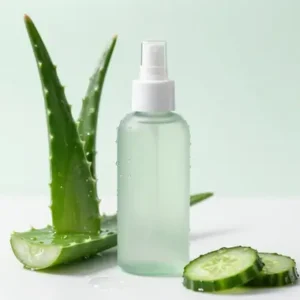
How to Make an Aloe Vera & Lemon Hair Rinse
This rinse can be prepared in just a few minutes using simple ingredients.
Basic Recipe
Ingredients:
- 2 tablespoons fresh aloe vera gel (or pure store-bought gel)
- 1 tablespoon fresh lemon juice
- 2 cups lukewarm water
Instructions:
- Mix the aloe gel thoroughly into the water.
- Add the lemon juice.
- Stir until evenly combined.
- Use immediately for best freshness.
Optional additions:
- A few drops of lavender water for scent
- Rose water for extra scalp soothing
- A teaspoon of apple cider vinegar for extra clarification
Always keep the formula gentle and diluted.
How to Use the Hair Rinse Properly
Using the rinse correctly is important for comfort and effectiveness.
Step-by-Step Use
- Wash hair with a gentle shampoo.
- Rinse thoroughly with water.
- Slowly pour the aloe-lemon mixture over the scalp and hair.
- Massage gently for about 30 seconds.
- Leave on for 2-3 minutes.
- Rinse lightly or leave as a final rinse depending on preference.
Some people prefer to do a light final rinse with cool water, while others leave the diluted mixture on the hair.
Frequency:
- Once or twice per week is usually sufficient.
- Overuse may cause dryness due to the lemon.
Who May Benefit Most From This Rinse?
This type of rinse may be especially useful for:
- People with oily scalps
- Individuals dealing with mild product buildup
- Those wanting more natural shine
- People seeking lightweight scalp hydration
- Individuals transitioning to natural hair routines
However, people with very dry hair may wish to reduce lemon content or add more aloe.
Adjusting the Recipe for Different Hair Types
One advantage of DIY hair rinses is customization.
For dry hair:
- Increase aloe vera
- Reduce lemon slightly
- Add a few drops of argan oil
For oily hair:
- Increase water dilution
- Keep lemon amount the same
- Add a little green tea
For curly or textured hair:
- Add a teaspoon of glycerin for moisture
- Use extra aloe
- Follow with a leave-in conditioner
Small adjustments can make the rinse suitable for nearly any hair type.
Safety Tips and Precautions
Natural does not always mean risk-free. A few precautions help ensure safe use.
Important tips:
- Always dilute lemon juice.
- Avoid use on irritated or broken skin.
- Perform a patch test before first use.
- Avoid sun exposure immediately after use, as citrus may increase photosensitivity.
- Discontinue if irritation occurs.
People with very sensitive skin may wish to start with very small amounts of lemon.
Supporting Hair Health From the Inside
External treatments work best when combined with internal nutritional support. Hair health is strongly influenced by diet, hydration, and overall wellness.
Nutrients commonly associated with healthy hair include:
- Protein
- Iron
- Zinc
- Omega-3 fatty acids
- Biotin
- Vitamins A, C, D, and E
Hydration also plays a key role. Drinking enough water supports scalp moisture balance.
A holistic approach combining nutrition, gentle care practices, and stress management often provides the best results.
The Role of Gentle Hair Care Habits
Even the best natural rinse cannot compensate for damaging habits. Supporting hair health also means reducing unnecessary stress on the hair.
Helpful habits include:
- Avoiding excessive heat styling
- Using soft hair ties
- Limiting harsh brushing
- Choosing mild shampoos
- Protecting hair during sleep
Cotton pillowcases may create friction, while satin or silk alternatives may reduce breakage.
Creating a Weekly Natural Hair Ritual
Many people find that turning treatments like this into a weekly ritual increases consistency.
A simple natural hair care routine might include:
Once weekly:
- Gentle scalp massage
- Aloe and lemon rinse
- Deep conditioning mask
Daily habits:
- Gentle detangling
- Scalp-friendly hairstyles
- Hydration and balanced nutrition
Consistency matters more than complexity.
The Psychological Benefits of Natural Self-Care Rituals
There is also value in the ritual itself. Preparing simple treatments from natural ingredients can create a sense of intentional self-care.
These small routines may:
- Encourage mindfulness
- Reduce stress
- Improve consistency of care
- Promote relaxation
Taking even 10-15 minutes weekly for intentional care can contribute to overall wellness habits.
Common Mistakes to Avoid
To get the best results, avoid these common errors:
- Using too much lemon juice
- Applying to an irritated scalp
- Using daily instead of weekly
- Expecting instant dramatic changes
- Skipping patch testing
Natural care tends to provide gradual improvements rather than overnight transformations.
Final Thoughts
The aloe vera and lemon hair rinse is a perfect example of how simple natural ingredients can provide meaningful support for hair and scalp health. By combining hydration, gentle clarification, and pH balance, this easy DIY treatment may help hair look shinier, feel smoother, and maintain a healthier scalp environment.
More importantly, it represents a shift toward mindful, simple hair care. Instead of overwhelming routines, sometimes the most effective solutions are consistent, gentle habits built over time.
Whether used once a week or as part of a broader natural care routine, this rinse offers a practical, affordable way to support healthier hair using ingredients many people already have at home.
As with most natural wellness practices, patience and consistency matter most. Small steps, repeated regularly, often produce the most lasting results. And sometimes, a simple plant like aloe vera and a fresh lemon can remind us that good hair care does not always need to be complicated to be effective.