Hands are among the most overworked – and overlooked – parts of the body. They face constant exposure to water, soap, sanitizers, cold air, sun, and friction. Over time, this repeated stress weakens the skin barrier, leading to dryness, rough texture, redness, and even painful cracking.
While facial skincare often gets the spotlight, hand care deserves equal attention. A well-formulated honey and aloe hand mask offers a simple yet scientifically grounded way to restore hydration, soothe irritation, and support long-term skin resilience.
This is more than a DIY trend. When used correctly, honey and aloe vera provide complementary benefits rooted in dermatological science: moisture retention, barrier repair, anti-inflammatory action, and gentle antimicrobial support. Let’s explore why this combination works – and how to use it effectively.
Why Hands Dry Out So Easily
The skin on the hands has unique challenges:
- Frequent washing strips natural oils.
- Alcohol-based sanitizers disrupt the lipid barrier.
- Cold weather reduces skin hydration.
- UV exposure accelerates collagen breakdown.
- The back of the hands has thinner skin and fewer oil glands.
Healthy skin relies on a functioning barrier made up of lipids (ceramides, cholesterol, fatty acids) and natural moisturizing factors. When this barrier is compromised, transepidermal water loss (TEWL) increases, meaning moisture escapes more quickly.
The result? Dry, tight, and sometimes inflamed skin.
A honey and aloe hand mask targets both hydration and barrier support – two key components in restoring softness and elasticity.
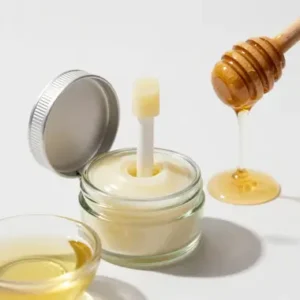
Honey: A Natural Humectant and Skin Protector
Honey has been used in topical skincare for centuries, and modern research supports many of its traditional uses.
1. Humectant Properties
Honey is a powerful humectant, meaning it attracts water from the environment and helps bind it to the skin. This improves hydration and softness.
Hydrated skin appears smoother and more supple because water plumps the outermost layer of the epidermis (the stratum corneum). When applied as a mask, honey creates a moisture-rich environment that reduces water loss.
2. Barrier Support
Honey contains small amounts of amino acids, vitamins, and trace minerals. More importantly, it forms a light occlusive layer over the skin, helping seal in moisture.
This “liquid glove” effect temporarily reinforces the compromised barrier, allowing the skin to repair itself more effectively.
3. Mild Antimicrobial Action
Raw honey naturally contains enzymatic compounds that produce low levels of hydrogen peroxide when diluted. It also has a low pH and high sugar concentration, creating an environment unfavorable to certain bacteria.
While not a substitute for medical treatment, this mild antimicrobial action can help support irritated or cracked hands prone to minor infections.
4. Anti-Inflammatory Benefits
Studies have shown that honey may reduce inflammation in the skin. This is especially helpful for hands that become red or irritated after exposure to harsh soaps or cold air.
Aloe Vera: A Soothing and Repair-Boosting Botanical
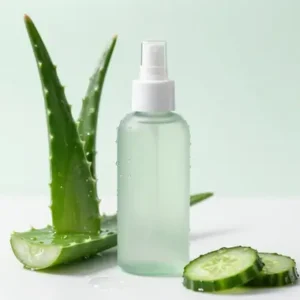
Aloe vera gel – derived from the inner leaf of the Aloe barbadensis plant – is widely recognized for its calming and hydrating properties.
1. Hydration Without Heaviness
Aloe vera is composed of over 95% water, making it intensely hydrating yet lightweight. Unlike heavy creams, aloe absorbs quickly without leaving a greasy film.
For daytime hand care, this is especially beneficial.
2. Polysaccharides for Skin Repair
Aloe contains polysaccharides, including acemannan, which help support moisture retention and promote skin repair. These compounds contribute to the gel’s soothing texture and barrier-supportive properties.
3. Anti-Inflammatory Compounds
Aloe vera contains compounds such as aloin and various antioxidants that may help calm irritation. It is frequently used to soothe minor burns, sun exposure, and redness.
When hands feel raw from overwashing or sanitizing, aloe can reduce discomfort and support healing.
4. Collagen Support Potential
Some research suggests aloe may stimulate fibroblast activity – the cells responsible for collagen production. While more evidence is needed, this indicates possible long-term benefits for skin elasticity.
Why Honey & Aloe Work So Well Together
Individually, honey and aloe are powerful. Together, they create a balanced mask that hydrates, seals, soothes, and protects.
| Ingredient | Primary Function | Skin Benefit |
|---|---|---|
| Honey | Humectant + light occlusive | Deep moisture retention |
| Aloe Vera | Hydrating + soothing | Calm, refreshed skin |
Honey draws moisture in and helps keep it there. Aloe delivers hydration while calming inflammation. The result is skin that feels softer, smoother, and more resilient.
This combination is particularly useful for:
- Dry or cracked hands
- Post-sanitizer irritation
- Cold-weather damage
- Mild redness or sensitivity
- Rough cuticles
A Research-Informed Honey & Aloe Hand Mask Recipe
Here’s a balanced formulation designed for safety and effectiveness:
Ingredients:
- 1 tablespoon raw honey
- 1 tablespoon pure aloe vera gel (preferably preservative-free)
- ½ teaspoon olive oil or sweet almond oil (optional for extra nourishment)
- A few drops of vitamin E oil (optional antioxidant boost)
Instructions:
- In a clean bowl, mix honey and aloe until fully blended.
- Stir in oil and vitamin E if using.
- Wash and pat hands dry.
- Apply a generous layer over hands, including cuticles.
- Leave on for 15–20 minutes.
- Rinse with lukewarm water and gently pat dry.
- Follow with a lightweight hand cream to seal in benefits.
For an intensive overnight treatment, apply the mask and wear breathable cotton gloves while sleeping.
How Often Should You Use It?
For maintenance: 1–2 times per week.
For severely dry hands: 3 times per week until improvement.
Consistency is more important than frequency. Gentle, repeated hydration supports barrier restoration better than occasional heavy treatments.
The Role of Occlusion: Why Gloves Enhance Results
When you cover your hands with cotton gloves after applying the mask, you create mild occlusion. This:
- Reduces water evaporation
- Increases absorption
- Enhances softening effect
Occlusion is widely used in dermatology to improve the penetration and effectiveness of topical treatments.
Who Should Be Cautious?
While generally safe, consider the following:
- Patch test before first use.
- Avoid if allergic to honey or bee products.
- Use pure aloe gel without added alcohol.
- Do not apply to deep open wounds without medical advice.
Comparing It to Commercial Hand Masks
Commercial hand masks often contain:
- Glycerin
- Petrolatum
- Ceramides
- Fragrance
- Preservatives
These ingredients can be highly effective. Petrolatum, for example, is one of the best occlusives available. Ceramides help rebuild the lipid barrier.
However, a honey and aloe mask offers:
- A minimalist ingredient list
- Natural humectant support
- Soothing botanical action
- Customizable nourishment
It may not replace a medically formulated barrier repair cream for severe dermatitis, but it works beautifully as preventative care and mild repair support.
Seasonal Benefits
Winter:
Cold air and indoor heating increase water loss. The mask replenishes hydration and reduces tightness.
Summer:
Frequent handwashing and sun exposure can dry skin. Aloe provides cooling relief, while honey restores softness.
The Psychological Benefit of Ritual Care
Skincare rituals have measurable psychological effects. The act of applying a warm, natural mask can lower stress and increase mindfulness.
Chronic stress is known to impair the skin barrier and slow healing. Incorporating small self-care rituals – like a weekly hand mask – can support overall skin health indirectly through stress reduction.
The subtle scent of honey and aloe enhances this sensory experience. Calm body, calm skin.
Beyond Softness: Long-Term Skin Health
Regular hydration and barrier support may:
- Reduce fine lines on the hands
- Improve skin elasticity
- Prevent cracking
- Strengthen cuticles
- Enhance overall appearance
Hands often reveal early signs of aging because of sun exposure and thin skin. While this mask cannot replace sunscreen or collagen-stimulating treatments, it supports daily maintenance.
Pair it with:
- Daily SPF on hands
- Gentle cleansers
- Regular moisturizing
For comprehensive care.
Enhancing the Formula (Optional Additions)
If you want to tailor your mask:
- Add a few drops of lavender essential oil (for calming scent; always dilute properly).
- Mix in colloidal oatmeal for extra soothing.
- Include a small amount of shea butter for deeper nourishment.
Keep formulas simple to reduce risk of irritation.
Final Thoughts
A honey and aloe hand mask is not a miracle cure, but it is a powerful example of how simple ingredients- when supported by science – can offer real benefits.
Honey draws moisture in and helps lock it there. Aloe soothes and hydrates without heaviness. Together, they create a gentle yet effective treatment for dry, overworked hands.
In a world where we constantly sanitize, type, clean, and expose our hands to the elements, intentional care becomes essential. A weekly honey and aloe ritual is a small investment of time with tangible rewards: softer texture, calmer skin, and strengthened resilience.
Sometimes the most effective skincare solutions are not the most complicate – they are the ones that respect the skin’s natural biology and work in harmony with it.
Your hands carry you through every day. It may be time to return the favor – with a little liquid gold and green calm.