Soft, smooth lips are often seen as a sign of health and vitality – but maintaining them can be surprisingly challenging. Unlike the rest of your skin, your lips lack oil glands. That means they cannot naturally produce sebum to keep themselves moisturized. Add wind, cold weather, indoor heating, sun exposure, dehydration, and frequent lip-licking to the equation, and dryness becomes almost inevitable.
While store-bought lip balms are widely available, many contain synthetic fragrances, petroleum derivatives, and flavorings that may offer temporary relief but fail to nourish lips long term. If you’re looking for a cleaner, more nourishing alternative, a DIY coconut oil and honey lip balm offers a simple, research-supported solution that supports true lip barrier repair.
Let’s explore why this natural combination works, the science behind the ingredients, how to make it properly, and how to use it for lasting hydration.
Why Lips Become Dry and Chapped
The skin on your lips is structurally different from the rest of your face. It is thinner, more delicate, and lacks protective sebaceous glands. This makes lips:
- More prone to dehydration
- Vulnerable to environmental damage
- Sensitive to irritants
- Quick to crack in cold or dry climates
When lips lose moisture, small fissures form in the outer layer (the stratum corneum). This leads to flaking, tightness, and sometimes painful splitting. The key to healthy lips lies in two essential steps:
- Restoring moisture
- Sealing that moisture in
Coconut oil and honey work together to achieve both.
Coconut Oil: A Natural Barrier Booster
Coconut oil has become a staple in natural skincare – and for good reason. It contains medium-chain fatty acids, particularly lauric acid, which contribute to its moisturizing and antimicrobial properties.
Research-Supported Benefits for Lips
1. Occlusive Protection
Coconut oil forms a light occlusive layer on the skin. This helps reduce transepidermal water loss (TEWL), which is one of the main causes of lip dryness.
2. Fatty Acid Nourishment
The fatty acids in coconut oil help soften the stratum corneum, improving texture and flexibility. Softer lips are less likely to crack.
3. Mild Antimicrobial Properties
Lauric acid has demonstrated antimicrobial effects, which may help protect small cracks in the lips from bacterial irritation.
4. Anti-Inflammatory Support
Some studies suggest coconut oil may reduce mild inflammation and support skin barrier recovery.
Importantly, coconut oil is generally well tolerated by most skin types, making it a gentle base for lip care.
Honey: Nature’s Humectant Healer
Honey is more than just a sweetener – it’s a powerful skin-supporting ingredient.
Why Honey Is So Effective for Lips
1. Natural Humectant
Honey attracts water from the environment and deeper skin layers, helping hydrate lips from within.
2. Antioxidant Protection
Rich in flavonoids and phenolic compounds, honey helps neutralize oxidative stress that contributes to skin damage.
3. Wound-Healing Support
Clinical research has shown honey supports tissue repair and regeneration, which is particularly beneficial for cracked lips.
4. Gentle Antibacterial Properties
Raw honey contains natural antibacterial compounds that help protect minor fissures.
When paired with coconut oil, honey hydrates while the oil seals that hydration in – creating a balanced lip treatment.
Why This Combination Works So Well
A truly effective lip balm must address both hydration and protection.
- Honey draws in moisture
- Coconut oil locks it in
- Together, they soften, protect, and repair**
Unlike synthetic balms that may rely heavily on petroleum-based occlusives (which seal but don’t nourish), this DIY version supports the lip barrier in a more biologically compatible way.
How to Make Coconut Oil & Honey Lip Balm (Properly)
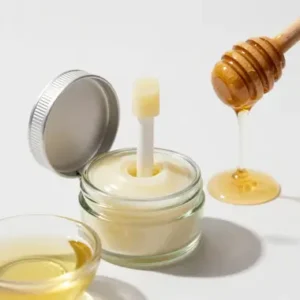
Creating a stable lip balm requires careful blending, since honey and oil do not naturally mix. Adding beeswax helps create a smooth, solid texture.
Ingredients
- 1 tablespoon virgin coconut oil
- 1 teaspoon raw honey
- 1 tablespoon beeswax pellets
- Optional: 2-3 drops vitamin E oil
Instructions
- Melt beeswax and coconut oil together using a double boiler over low heat.
- Remove from heat and allow to cool slightly (but not solidify).
- Stir in honey thoroughly. Whisk gently to help emulsify.
- Add vitamin E oil if desired.
- Pour into small lip balm containers.
- Allow to cool completely before sealing.
This recipe yields a smooth, lightly sweet balm with natural shine.
Storage and Shelf Life
Because honey contains natural sugars and moisture, proper storage is essential.
- Store in a cool, dry place.
- Use clean fingers or a small spatula when applying.
- Shelf life: approximately 2-3 months.
If the balm changes smell or texture, discard it.
How to Use for Maximum Benefits
To get the most from your DIY balm:
Morning Application
Apply a thin layer before heading outdoors to protect lips from wind and dryness.
Night Treatment
Apply a thicker layer before bed to allow overnight repair.
Before Lipstick
Use as a hydrating base to prevent lipstick from clinging to dry patches.
After Exfoliation
Apply after gently exfoliating lips with a soft cloth to seal in moisture.
Consistency matters. Daily use provides the best results.
Additional Benefits You May Notice
With regular use, you may observe:
- Softer lip texture
- Reduced flaking
- Improved smoothness
- Less cracking in cold weather
- A natural, healthy shine
While results vary depending on environmental factors and individual skin type, many people find this simple formula more effective than conventional lip balms.
Common Mistakes to Avoid
To ensure safety and effectiveness:
- Avoid overheating honey (it can lose beneficial compounds).
- Do not skip beeswax if you want a firm balm.
- Always patch-test before first use.
- Avoid if allergic to bee products.
- Do not use it on severely infected or bleeding lips without medical advice.
Supporting Lip Health from the Inside
Topical care works best when paired with internal hydration and nutrition.
- Drink adequate water daily.
- Consume omega-3 fatty acids for skin barrier support.
- Include vitamin-rich foods (especially vitamins A, C, and E).
- Avoid excessive lip-licking, which worsens dryness.
Healthy lips are often a reflection of overall hydration and wellness.
Is DIY Lip Balm Really Better Than Store-Bought?
Not necessarily in all cases – but it offers advantages:
- Fewer synthetic ingredients
- Customizable texture and scent
- Affordable and sustainable
- Transparent ingredient list
For those seeking cleaner skincare options, this DIY balm offers a simple and effective alternative.
Who Should Try This DIY Balm?
This natural lip balm is ideal for:
- People with dry or chapped lips
- Those sensitive to synthetic fragrances
- Minimalist skincare enthusiasts
- Individuals living in cold or dry climates
- Anyone seeking a nourishing overnight lip treatment
However, if you have chronic lip dermatitis or allergic reactions, consult a dermatologist before switching products.
The Science of Simple Rituals
Modern skincare often emphasizes complexity. Yet sometimes, skin barrier health improves most through consistent, gentle care rather than aggressive treatments.
Coconut oil and honey provide:
- Occlusion
- Humectant hydration
- Antioxidant support
- Barrier repair
When used regularly, this simple balm supports lip resilience in a way that aligns with how skin naturally functions.
Final Thoughts: Small Habit, Big Difference
Healthy lips don’t require dozens of products or expensive treatments. Often, they simply need protection, hydration, and consistency.
A coconut oil and honey lip balm delivers exactly that – natural moisture, gentle nourishment, and a protective layer that works with your skin rather than against it.
With just a few ingredients and a few minutes of preparation, you can create a balm that softens, heals, and restores comfort – one swipe at a time.